
Whoa! This is one of those topics that feels dry until it isn’t. Seriously? Yeah—because when a transaction fails or gets sandwich-attacked, it’s suddenly very real. My instinct says most DeFi users treat wallets like dumb pipes. That needs to change.
Okay, so check this out—transaction simulation isn’t some optional nicety. It’s the difference between a smooth swap and a surprise $200 gas burn. Simulation tells you what the chain will likely do before you push «confirm.» It models slippage, reverts, rebates, and quite a few of the nasty edge cases that live at the intersection of network congestion and clever bots. I’m biased, but a wallet that treats simulation as a core feature is already thinking like a security team.
First impressions matter. At glance, a simulation tool looks like a fancy preview. Though actually, it’s far more powerful when it exposes the execution path—how routers route your token pairs, which liquidity pools are hit, and where approvals are used. Initially I thought a lot of this was overkill for normal users, but then I realized the typical user already shoulders most of the risk; they just don’t see it. On one hand this is annoying. On the other hand it’s solvable.
What Transaction Simulation Actually Buys You
Simulation reduces uncertainty. Short sentence. It forecasts RPC responses and execution outcomes using a dry-run of the transaction against a copy of chain state. That helps spot reverts, front-run opportunities, and whether your path will cross a pool with illiquid depth (which might spike slippage mid-flight). It also tells you the gas you’ll really need. Not the polite estimate from a provider, but a ground-truth approximation based on how your call stacks execute.
Imagine this—you’re routing a multi-hop swap on Ethereum during a busy block. The router suggests a path. Nice. But a simulation can show that another actor, or a bot, can sandwich that trade in the same block and make your outcome worse. Hmm… that stings. Having that knowledge before you sign keeps you from being a sitting duck.
There are practical limits. Simulations are approximations. They assume the near-term mempool and miner behavior are static, which they are not. Still, even imperfect forecasts change behavior. They inform whether to split orders, increase slippage tolerance, or hold off entirely.
Now, about MEV. MEV—miner/extractor value—is not a boogeyman. It’s a real market force. It shapes front-running, back-running, and sandwich attacks. And yes, some forms of MEV are neutral or even beneficial (like reordering that reduces failed txs). But most users care about the extractive types that cost them money. So wallets that offer MEV protection are offering a basic financial defense, not a luxury feature.
Here’s the trick: MEV protection isn’t a single tech. It’s a toolbox. You get prioritized relays, private mempool submission (so bots can’t see your tx), bundle submission to validators, and smarter path selection informed by simulation. Together, these options shrink your attack surface. They also reduce the probability that a third party can manipulate your trade after you sign.
I’ll be honest—none of this is bulletproof. There are trade-offs. Privacy-first submission paths can cost you speed or cost more in RPC fees. Some mitigations add centralization (depending on which relays you trust). So, the best approach is layered protections, each chosen to match your threat model.
Okay, tangent (oh, and by the way…)—US users often worry about compliance and custody. That pressure can push wallets toward custodial shortcuts. Don’t accept that tradeoff reflexively. You can have strong UX and noncustodial security; you just need a wallet that prioritizes transaction intelligence.
How a Wallet Should Integrate Simulation and MEV Defenses
Start with simulation at the signing layer. Short sentence. Before the native signature is requested, the wallet runs the call through a simulation engine. It reports expected outcomes. It flags potential MEV patterns. It warns on suspicious allowance flows. This is where users see the real cost—not someone’s optimistic slippage widget.
Next, the wallet should provide options, not rules. Offer private submission and relay bundling, but let the user choose. Offer recommended presets for novices. Give advanced users low-level controls. That balance keeps tooling accessible while remaining sophisticated enough for power traders.
Another practical thing: put execution transparency front-and-center. Show the swap path, show pool reserves, show gas profile. That info lets a user or a third-party auditor quickly judge whether an opportunity looks risky. It also reduces cognitive friction for people who want to spend five seconds confirming a trade versus people who want to inspect every hop.
Also, there should be observable defaults. Most people won’t tailor settings. So make secure defaults. Prioritize private mempool submission for transactions over a certain USD threshold. Offer a «simulation-only» checkbox that refuses to sign if the simulated outcome is worse than a user-set tolerance. Tiny detail? Maybe. But those are the friction points that stop losses.
One more caveat: performance. Running every simulation on-device is expensive. Offloading to a trusted simulator that can replicate node state helps. But trust matters. This is where community-vetted open tools and transparent auditor reports are invaluable. A wallet that hides its simulation logic behind opaque services should raise eyebrows. Somethin’ about that bugs me.
If you’re shopping for a wallet, look for three things. First, clear simulation outputs. Second, MEV-aware submission paths (private relays, bundles). Third, user-facing controls with sane defaults. A wallet that combines these is thinking end-to-end about risk, not just UX polish.
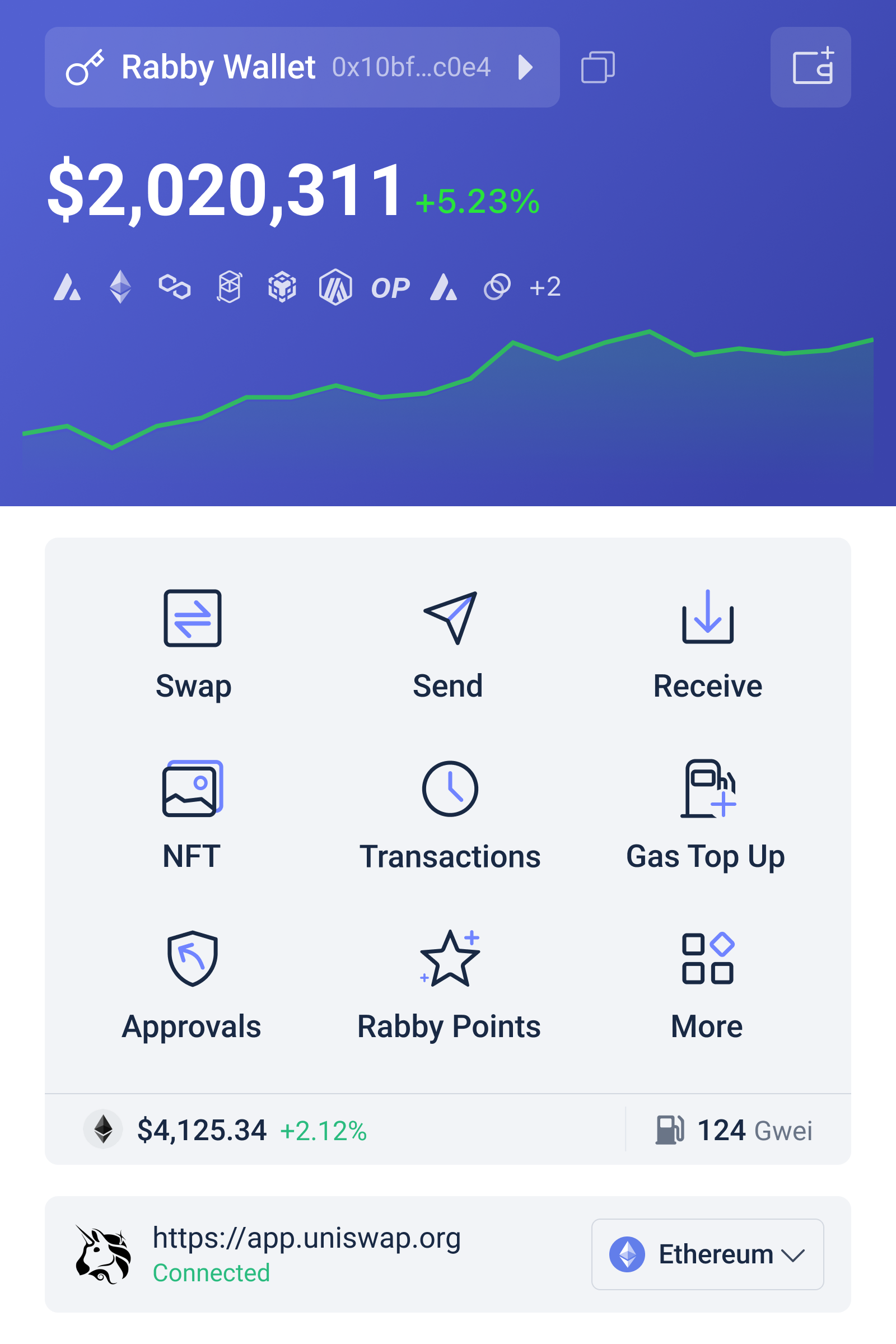
Curious where to start? A practical next step is to try a wallet that treats simulation as a first-class feature and that explains its MEV strategies in plain language. For example, rabby wallet documents its approach and embeds simulation and protection flows directly into the signing process. Check that out if you want a concrete reference point.
FAQ
What exactly does a transaction simulator show?
It shows the expected state changes, estimated gas usage, likely reverts, slippage outcomes, and execution paths across DEX routes. It can also surface potential MEV signals like sandwich vulnerability or large pool imbalances.
Can simulation prevent getting MEV’d?
Not always, but it reduces surprise. Simulation alerts you to vulnerability and lets you change parameters—split the trade, increase slippage tolerance cautiously, or submit via a private relay. Those moves cut down the chance of being exploited.
Are there downsides to private submission or bundling?
Yes. They can add latency or reliance on specific relays. Some strategies require trusting the relay operators. So weigh privacy and MEV protection against speed and decentralization preferences.
Comentarios recientes